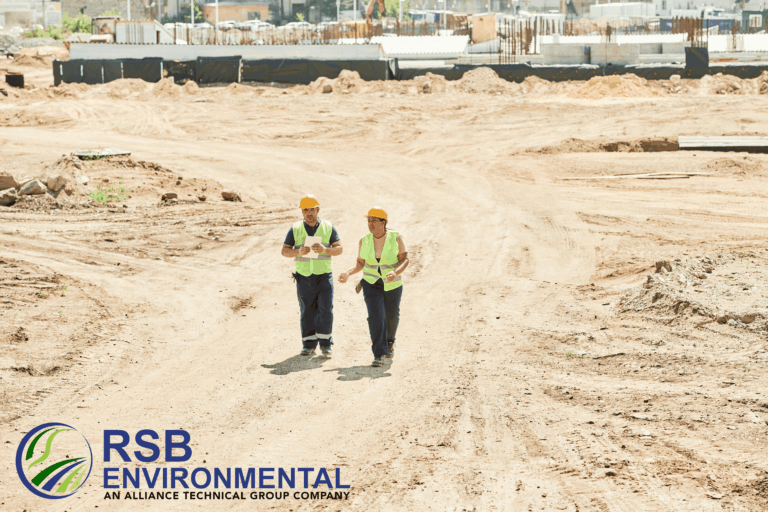
Mitigating Environmental Risks Through Phase 1 ESA Before Development
Conducting a Phase 1 ESA before development safeguards your project by identifying hidden contamination risks, reducing liability, and ensuring regulatory compliance. From due diligence to financing, this proactive step helps developers build with confidence and avoid costly surprises.
The Timeline and Costs of Phase 1 ESA: A Guide for Lenders
Understanding the timeline and costs of Phase 1 ESA is essential for lenders financing commercial real estate. This guide explains the average 2–4 week process, the factors that drive cost, and how early planning helps avoid delays, reduce risks, and safeguard loan security.

Common Mistakes Lenders Make When Skipping Property Condition Assessments
Skipping a Property Condition Assessment (PCA) is one of the biggest mistakes lenders can make. Without it, hidden repair costs, safety hazards, and compliance issues can threaten loan security and damage borrower relations. A PCA gives lenders the insight they need to protect collateral value, meet regulatory standards, and strengthen portfolio performance.

What is a Property Condition Assessment and Why Real Estate Investors Need It
A Property Condition Assessment for Investors provides clear insight into a building’s structural integrity, systems, and future repair needs. By following ASTM E2018 standards, it equips investors with reliable cost projections, strengthens negotiations, and ensures long-term asset protection.

The Role of Phase 1 ESA in Protecting Your Clients During Transactions
A Phase 1 ESA in protecting your clients goes beyond compliance—it safeguards buyers, lenders, and investors by uncovering hidden risks before they escalate. From identifying contamination threats to strengthening financing confidence, a well-executed ESA ensures every real estate deal is built on solid ground.

How Phase 1 ESA Supports Proactive Property Maintenance
Integrating Phase 1 ESA and property maintenance gives owners a proactive edge—identifying risks early, reducing liabilities, and ensuring properties remain safe, compliant, and market-ready.

Phase 1 ESA Checklist for Real Estate Agents: Simplifying Transactions
Phase 1 ESA Checklist for Real Estate Agents: Simplifying Property Transactions As a real estate agent navigating commercial property transactions, your role goes beyond connecting

Phase 1 ESA for Long-Term Property Value Protection
A Phase 1 ESA protects property value by identifying environmental concerns before they become financial, legal, or safety threats. From preventing costly surprises to strengthening buyer and lender confidence, it’s a critical step in safeguarding your long-term investment.

The Cost of Overlooking Environmental Due Diligence in Real Estate
Overlooking environmental due diligence isn’t just a missed step—it’s a costly gamble. From million-dollar cleanups to stalled projects and denied financing, ignoring a Phase 1 ESA can derail even the most promising real estate ventures.
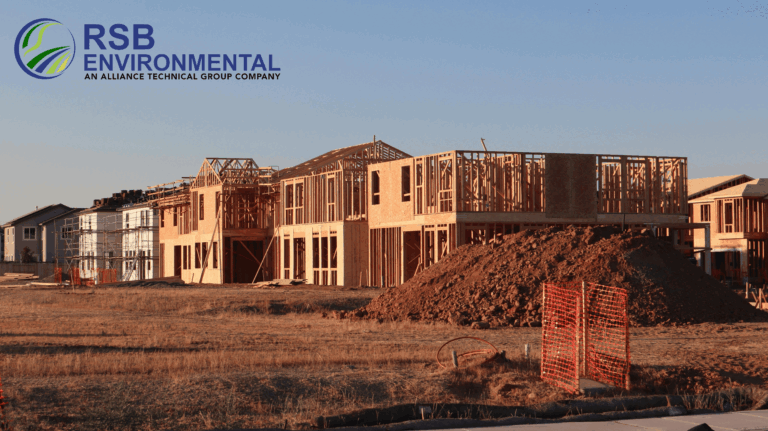
Environmental Liability Risks Financial Institutions Can Avoid With Phase 1 ESA
Environmental risks can derail loan recovery and damage portfolio value. A Phase 1 ESA equips lenders with critical data to assess liabilities, safeguard collateral, and maintain compliance—ensuring informed lending decisions and long-term portfolio stability.