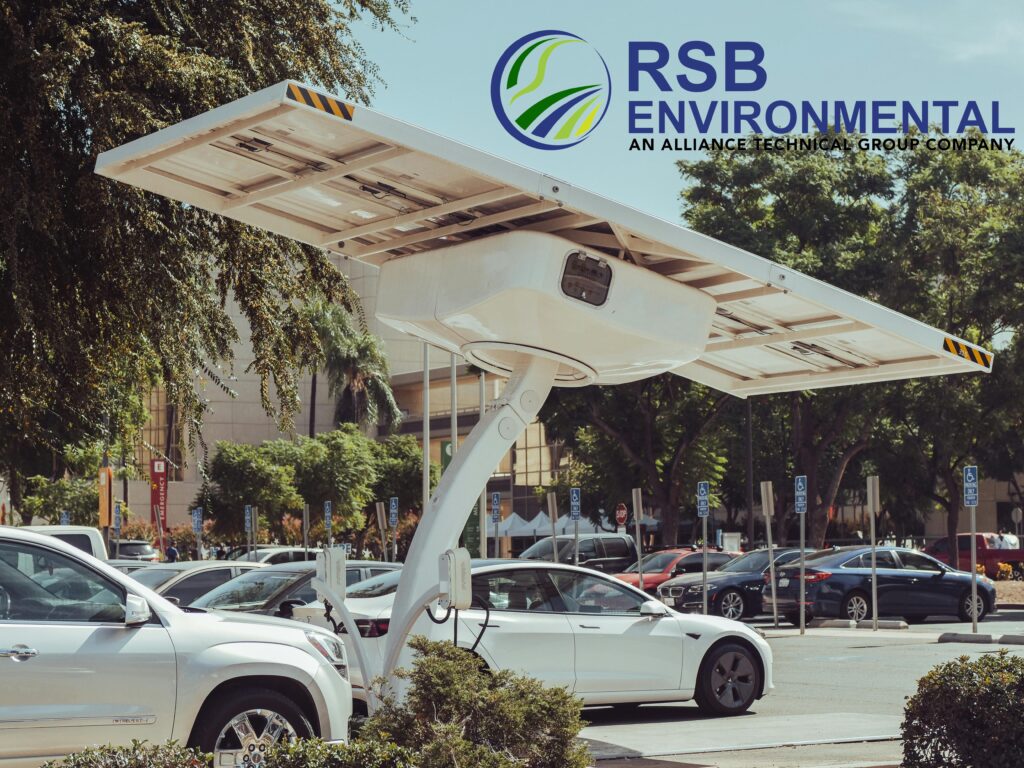
Environmental Compliance Risks of EV Charging Infrastructure on Commercial Properties
Commercial properties are increasingly adding EV charging stations to support tenants, visitors and fleet users. The shift toward electric vehicles brings important benefits, yet it also introduces new environmental compliance risks that property owners must recognize and manage. EV charging infrastructure interacts with electrical systems, site conditions, building codes, environmental regulations and long-term operational responsibilities. A proactive review of these factors helps protect property value and reduces the chance of unexpected liability.
Why EV charging infrastructure brings new environmental compliance risks
EV charging stations on commercial property intersect with environmental compliance, liability and operational risk in ways that go beyond traditional asset upgrades. These include:
- Fire and contamination risk: High voltage charging equipment and lithium‐ion batteries introduce fire scenarios that can lead to environmental contamination from extinguishing agents or chemical release.
- Electrical infrastructure stress and grid impacts: When a property’s electrical systems or site layout are not adequately assessed or upgraded for EV chargers the risk of overload, fault or non‐compliance with safety and environmental regulations rises.
- Regulatory gaps and emerging standards: EV charger installations often move faster than building codes, standards or enforcement. This creates uncertainty about compliance with environmental, zoning and safety laws. Liability and insurance exposure: Faults in charging infrastructure may lead to personal injury, property damage, environmental cleanup obligations, even when the property owner did not install or operate the system.
- Cyber & connected‐infrastructure risks: Smart charging stations and networked components may introduce data privacy issues or operational risks that can impact environmental risk management indirectly.
Given these links between EV infrastructure and environmental compliance, commercial property stakeholders must treat EV charger installations as part of their broader environmental compliance, real estate and asset management strategy.
Key environmental compliance risk categories for EV charging on commercial properties
Fire, thermal and chemical contamination risk
Charging infrastructure introduces high voltage equipment, power conversion devices and often lithium-ion or similar battery components. Faults or failures may cause thermal runaway, fires, explosions or release of chemicals that require remediation or environmental cleanup.
Electrical system and structural / stormwater risk
Overloading or inadequate wiring, inadequate ventilation, or improper installation may lead to short circuits, overheating or damage to stormwater or surrounding materials. If fuel tanks or other hazardous materials are nearby, the risk of contamination or regulatory exposure increases.
Regulatory compliance risk
Commercial property owners must check building codes, zoning regulations, environmental regulations, electrical codes, permit status and ongoing monitoring or maintenance requirements. Compliance gaps may lead to fines, enforcement actions or remediation obligations.
Liability and insurance risk
If a charging station causes damage to vehicles, property or third parties, or causes an environmental event (such as a fire leading to soil contamination), the property owner may face liability. In many cases the insurance coverage may not be clear about EV charging infrastructure exposure.
Cybersecurity and connected equipment risk
Networked charging infrastructure may be subject to cyberattacks, component failure, software vulnerabilities or data breaches. These events can manifest as operational disruptions, which can in turn impact environmental controls or site safety systems.
Practical environmental compliance checklist for EV charger infrastructure on commercial property
Use the checklist below to guide due diligence, installation planning and ongoing management of EV charging infrastructure from an environmental compliance perspective:
- Site assessment & documentation: Examine current electrical infrastructure, past use of property (e.g., fuel storage, hazardous materials), structural or stormwater systems, previous contamination history, proximity to sensitive environmental areas.
- Installation review: Confirm charger equipment is certified, installation by qualified contractors, wiring/systems meet code (e.g., correct voltage, grounding, protection from weather, vandalism).
- Environmental controls: Ensure appropriate spill containment or drainage, fire suppression controls (if required), erosion/stormwater control if installation disturbs soil, armor for cables/trenching.
- Permits & regulatory compliance: Verify electrical permits, building/structural permits, environmental permits (if any), local zoning and planning requirements, utility interconnection approvals, state/local incentives tied to compliance.
- Insurance & liability review: Review property insurance, liability insurance, environmental or pollution liability coverage, assessment of who assumes risk (property owner, operator or third-party provider).
- Operational safety & maintenance plan: Define regular inspection of chargers, cables, mounting, wear & tear, firmware/software updates, cybersecurity protocols, incident/accident response plan.
- Tenant/visitor safety & signage: Provide proper signage, lighting, cable management to avoid trip hazards or misuse, include emergency shut-offs, comply with accessibility requirements.
- Documentation & record keeping: Maintain installation records, inspection logs, maintenance history, incident records, certificate of installation, approval letters.
- Exit or future use review: Consider if the charger installation might limit future property use, impose easements or covenants, restrict redevelopment, or require removal or remediation when tenant vacates or property is sold.
- Review shared provider / third-party arrangements: If a third-party manages the chargers, clearly document responsibilities, indemnities, insurance and ensure alignment with the property’s environmental compliance strategy.
Best practices for property owners and stakeholders
- Engage electrical, environmental and insurance specialists early in the planning of EV infrastructure and ensure your compliance strategy is integrated.
- Link the charger installation timeline with environmental and asset management review rather than treating the charger as a stand-alone upgrade.
- Maintain conservative assumptions around infrastructure age, power demand, maintenance cost and risk exposure.
- Build contractual clarity: who owns the equipment, who is responsible for maintenance, what happens in case of incident or regulatory change?
- Monitor regulation changes, new standards (for example, charger interoperability or grid impact protocols) and update your asset management protocols accordingly.
- Make sure your insurance coverage explicitly addresses EV charging infrastructure, including property damage, environmental cleanup, third-party liability and cyber risk.
Common pitfalls and how to avoid them
- Installing chargers without reviewing previous site contamination or environmental sensitivities.
- Failing to evaluate electrical system capacity which may result in outages, faults or safety hazards.
- Ignoring long-term maintenance requirements such as software updates, equipment inspections or safety testing.
- Overlooking the impact of trenching, excavation or construction activities on stormwater systems or soil stability.
- Assuming standard property insurance covers EV charger related incidents without verifying policy language.
- Not clarifying obligations when a third-party provider manages the charging equipment or network.
Closing thoughts Environmental Compliance Risks of EV Charging on Commercial Properties
Adding EV charging infrastructure on commercial property aligns with sustainability, tenant amenity and future uses. Yet it must be managed through an environmental compliance lens to ensure the installation complements the asset rather than exposing it. By assessing risks, structuring the installation and operational program carefully, and integrating the charger asset into the broader environmental compliance, real estate and asset-management framework property owners and operators can capture benefits with control.
Frequently Asked Questions
What environmental risks can EV charging stations introduce on commercial properties?
EV charging stations may introduce risks related to fire, electrical faults, soil or water contamination, stormwater impacts, hazardous materials exposure and increased regulatory oversight. These risks depend on site conditions, installation quality and ongoing maintenance.
Why should property owners consider environmental compliance before installing EV chargers?
Environmental compliance helps property owners confirm that charger installation meets building codes, zoning rules, electrical standards and environmental regulations. It reduces the likelihood of fines, enforcement actions, safety hazards or contamination events that could affect property operations.
Do EV charging stations require specific environmental permits?
Requirements vary by location. Some installations may only require electrical or building permits, while others may involve permits connected to land disturbance, stormwater, construction, zoning or utility interconnection. Reviewing local and state requirements during planning is essential.
Can EV charging equipment impact existing site contamination or stormwater systems?
Yes. Trenching, installation work or electrical upgrades may disturb contaminated soil, groundwater pathways or stormwater controls. A site assessment helps identify past activities, sensitive areas and compliance obligations before installation begins.
Who is responsible for environmental compliance if a third-party manages the chargers?
Responsibility depends on contract terms. Property owners typically retain some level of environmental liability, even when the chargers are operated by a third-party provider. Clear documentation of roles, maintenance duties, insurance requirements and response procedures helps reduce exposure.
If you need any assistance with Environmental Compliance Risks of EV Charging on Commercial Properties, please email info@rsbenv.com. We look forward to hearing from you.